
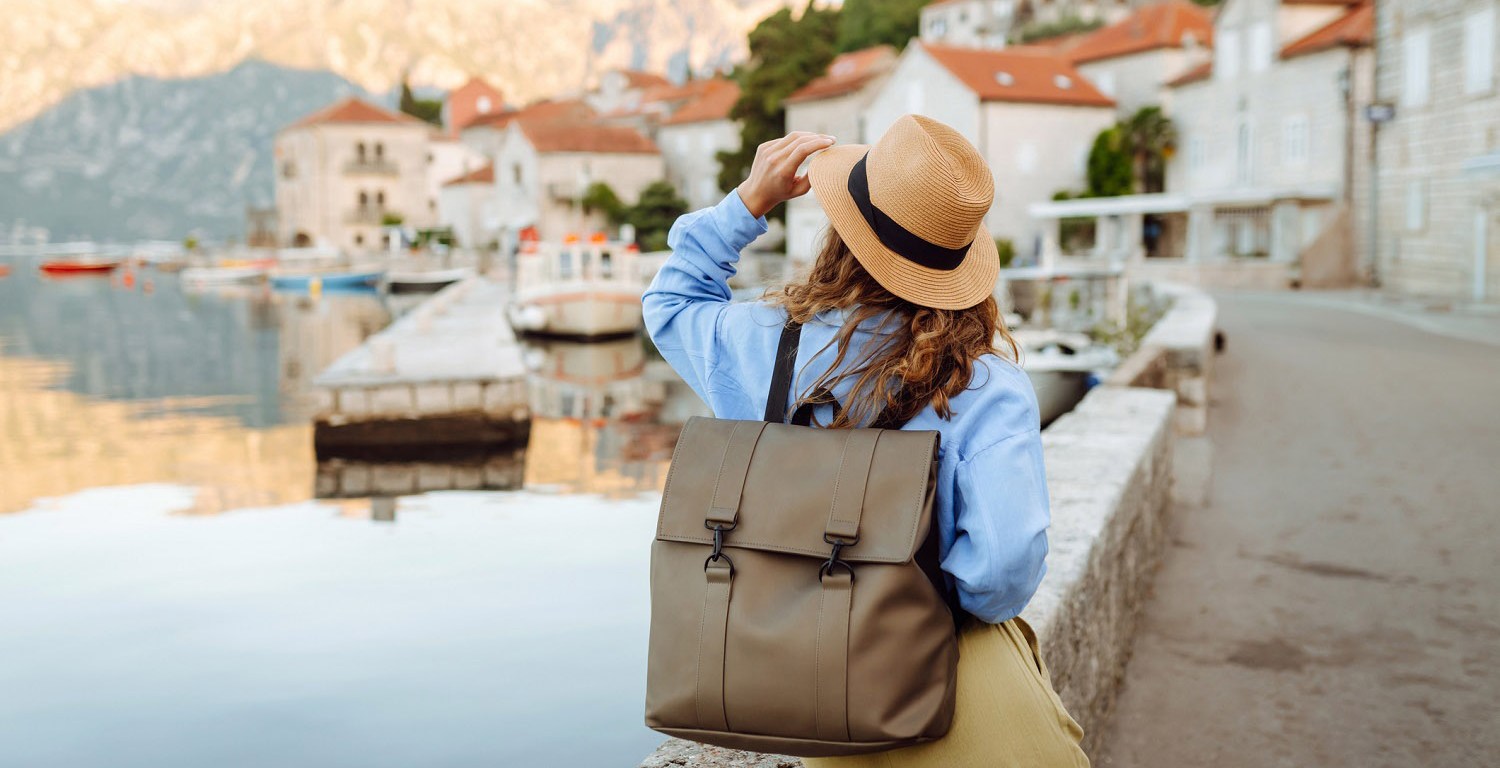
Introduction: Travel as a Tapestry of Human Experience
Travel is often seen through the lens of postcards, itineraries, and bucket lists. But beyond these curated snapshots lies an intricate, living tapestry woven from the stories, cultures, and emotions we encounter along the way. It is one of the rare human endeavors that simultaneously satisfies the senses, challenges the intellect, and awakens the soul. When done with intention, travel becomes less about ticking destinations off a list and more about engaging deeply with the world—and with oneself.
The Impulse to Explore: A Universal Yearning
Across time and cultures, the urge to travel has remained a defining trait of the human spirit. From early trade routes and pilgrimages to contemporary backpacking trails and digital nomad hubs, exploration has always been a response to an innate curiosity.
Core motivations behind the desire to travel:
-
To Discover: Seeking out the unknown—be it geography, history, or culture.
-
To Escape: A break from routine, monotony, or the pressures of modern life.
-
To Connect: With people, nature, and parts of oneself that remain hidden at home.
-
To Learn: Through firsthand encounters with places and practices beyond one’s upbringing.
-
To Grow: By embracing discomfort, unpredictability, and transformation.
While the destination often captures attention, the journey itself becomes the true narrative—one shaped by spontaneity, human connection, and introspection.
Cultural Immersion: The Soul of Travel
The most rewarding travels are those that go beyond sightseeing and into the realm of cultural immersion. Engaging with a place on its own terms—not just through the lens of a visitor—offers a richer, more authentic experience.
Ways to immerse meaningfully in a new culture:
-
Learn the local language, even just key phrases—it shows respect and builds rapport.
-
Eat where the locals eat, and be open to trying unfamiliar dishes and customs around food.
-
Attend community events, festivals, or markets for a glimpse into daily life.
-
Ask questions, not as a tourist, but as a student of culture and tradition.
-
Observe etiquette, including dress codes, greetings, and social norms.
Such immersion fosters empathy and humility. It gently dismantles preconceived notions and replaces them with understanding born of real experience.
Travel as a Catalyst for Self-Discovery
While travel introduces us to the world, it also holds up a mirror to our inner selves. Removed from the familiar structures of home, we’re often forced to confront who we are without our usual roles, routines, or comforts.
Self-discovery through travel includes:
-
Building resilience in unfamiliar or challenging environments.
-
Sharpening decision-making by navigating new terrains and social dynamics.
-
Cultivating patience during delays, misunderstandings, and unpredictabilities.
-
Awakening creativity as new landscapes and cultures spark fresh perspectives.
-
Reevaluating priorities, often leading to a more mindful or minimalist lifestyle.
These inner shifts can be subtle or profound, but they are almost always lasting. Many travelers return not just with souvenirs, but with a deeper sense of clarity, gratitude, and personal growth.
The Art of Traveling Responsibly
In an age where travel is more accessible than ever, the ethics of tourism demand attention. Over-tourism, cultural commodification, and environmental degradation are real issues that thoughtful travelers must consider.
Principles for responsible, ethical travel:
-
Support local businesses, artisans, and guides rather than multinational chains.
-
Reduce waste by carrying reusable water bottles, bags, and avoiding single-use plastics.
-
Respect sacred spaces, cultural practices, and private lives of locals.
-
Limit digital intrusion, especially when photographing people or intimate settings.
-
Tread lightly in natural habitats—leave no trace, disturb no wildlife.
Responsible travel does not require sacrifice, only awareness. In fact, it often enhances the experience by deepening connections and aligning action with intention.
The Evolving Landscape: Travel in a Digital World
Technology has reshaped the travel experience. GPS navigation, language translation apps, real-time booking platforms, and social media have made the globe more accessible than ever before. However, this convenience can be a double-edged sword.
Balancing tech with presence while traveling:
-
Use digital tools wisely, but don’t let them replace genuine interaction.
-
Capture memories, but don’t miss the moment for the perfect shot.
-
Research in advance, but allow for serendipity and local recommendations.
-
Disconnect periodically, especially in nature or sacred spaces, to reconnect with yourself and the environment.
Technology should be a tool—not a barrier—to the real experiences that travel offers.
Travel as a Lifelong Teacher
Every journey holds lessons—some immediate, others that unfold slowly over time. Whether it’s learning a new dish, understanding a different worldview, or simply finding joy in simplicity, travel is an educator like no other.
What consistent travelers often learn:
-
The world is vast, but human kindness is universal.
-
We need far less than we think to be content.
-
Perspective is powerful, and seeing how others live reshapes how we view our own lives.
-
Beauty is everywhere, often in the most overlooked corners.
-
Patience and openness are the true keys to meaningful experiences.
Over time, travel becomes less about destinations and more about transformation—of mind, heart, and spirit.
Conclusion: Travel as a Sacred Dialogue
At its finest, travel is not consumption but conversation. It is an exchange—of stories, glances, tastes, traditions, and time. When we travel with intention, respect, and curiosity, we not only enrich our own lives but contribute positively to the lives we encounter.
As borders blur and cultures mingle, the traveler becomes both witness and participant in a shared human narrative. The memories may fade, the photographs may gather dust, but the growth, wisdom, and empathy remain etched within.
So go—journey not just to see the world, but to feel it, learn from it, and let it change you. Because the greatest discoveries are not found on the map, but in the shift of the soul when we dare to move beyond our known horizon.

