
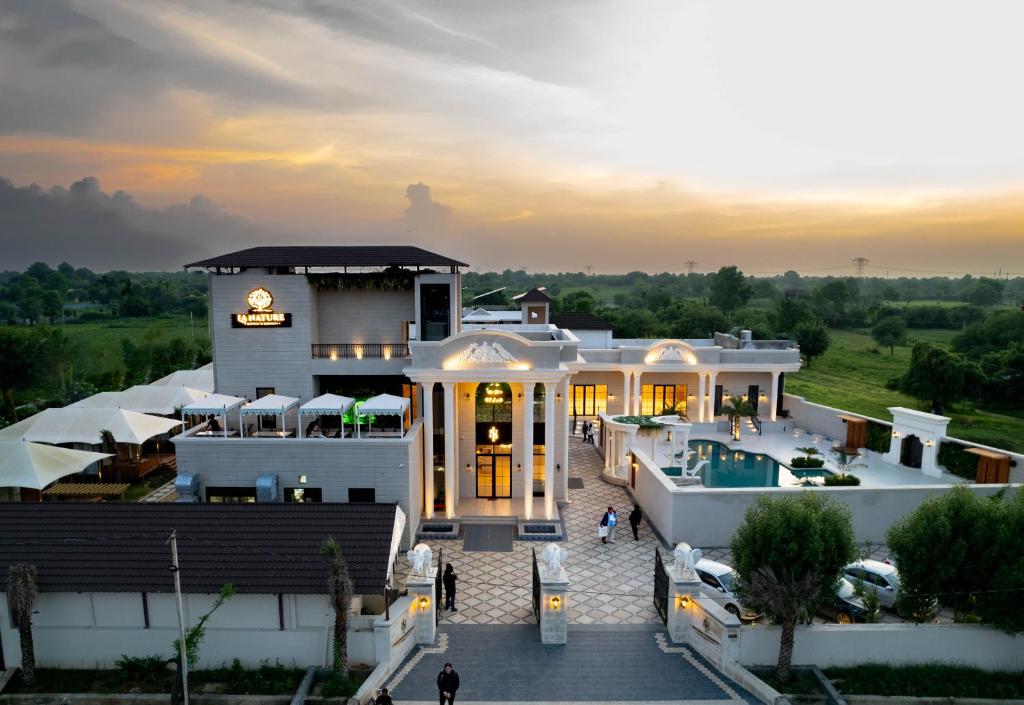
Introduction: More Than a Place to Stay
In today’s ever-evolving travel landscape, hotels and resorts have transcended their original purpose of providing lodging. They have emerged as essential elements of the travel experience—havens of rest, centers of culture, and architectural marvels in their own right. Whether nestled in the heart of a bustling metropolis or perched on a secluded beach, these establishments shape not only our itineraries but also the emotional tone of our journeys. They are no longer simply where we sleep; they are where we dream, discover, and unwind.
Understanding the Difference: Hotels vs. Resorts
While the terms are often used interchangeably, hotels and resorts offer distinct types of experiences. Each caters to specific needs, preferences, and purposes of travel.
Hotels are typically characterized by:
-
Urban or central locations near business hubs and city attractions
-
Streamlined services for short-term stays
-
Emphasis on convenience, accessibility, and functional amenities
Resorts are designed to offer:
-
Immersive, all-inclusive experiences in leisure destinations
-
A broader range of recreational facilities such as spas, golf courses, and entertainment venues
-
Seclusion, tranquility, and extended-stay comfort for relaxation-seeking guests
Recognizing these differences is essential when choosing accommodations that align with the intent of one’s travel.
A Journey Through Time: The Legacy of Hospitality
The notion of providing shelter to travelers is one of the oldest expressions of human kindness. In ancient Greece and Rome, inns served as sanctuaries for voyagers. During the Middle Ages, monasteries opened their doors to pilgrims in need. The Renaissance and Enlightenment periods saw the rise of coaching inns, precursors to the grand hotels of the 19th century. With the advent of the Industrial Revolution and the expansion of global rail networks, hotels blossomed into architectural and cultural landmarks.
Resorts, on the other hand, found their origins in the health-focused retreats of Europe, such as spa towns in Germany and seaside getaways in England. These spaces were created to rejuvenate both body and spirit, and over time, evolved into the luxurious, activity-laden sanctuaries we know today.
The Anatomy of Exceptional Hospitality
Today’s travelers expect more than just comfort. They seek emotional resonance, intuitive service, and memorable design. An excellent hotel or resort doesn’t just meet expectations—it anticipates and exceeds them.
Elements that define exceptional hotels and resorts include:
-
Impeccable service: Personalized attention, professional etiquette, and sincere hospitality
-
Refined aesthetics: Thoughtful interior design that reflects local culture and modern luxury
-
Gourmet cuisine: Restaurants that celebrate regional flavors with contemporary execution
-
Curated experiences: Activities and excursions that engage the senses and elevate the stay
-
Wellness integration: Facilities and programs that support mental and physical well-being
Whether a boutique hotel in Kyoto or a sprawling resort in the Maldives, it’s the harmony between these elements that leaves a lasting impression.
Types of Hotels and Resorts: Tailoring Experiences to Taste
With the growing diversity of travelers, the hospitality industry has responded with a rich tapestry of accommodations to suit every need, occasion, and lifestyle.
1. Luxury Hotels and Resorts
-
Premium locations and exquisite design
-
Exceptional dining, spa services, and attention to detail
-
Often cater to discerning travelers seeking exclusivity and comfort
2. Boutique Hotels
-
Small-scale properties with unique, artistic character
-
Personalized service and often located in culturally rich neighborhoods
-
Ideal for travelers valuing intimacy and individuality
3. Business Hotels
-
Conveniently situated in commercial zones and near airports
-
Functional amenities such as high-speed internet, meeting rooms, and express services
-
Suited for corporate guests and professionals
4. All-Inclusive Resorts
-
Comprehensive packages covering accommodation, meals, drinks, and activities
-
Stress-free planning and family-friendly environments
-
Popular in beach destinations and vacation hotspots
5. Eco-Resorts and Wellness Retreats
-
Emphasis on sustainability and connection to nature
-
Often situated in remote, pristine environments
-
Focus on holistic well-being, mindfulness, and ecological responsibility
Each category fulfills a different promise, yet all contribute to the broader mission of creating a sense of belonging and comfort away from home.
The Role of Technology in Modern Hospitality
In an age defined by digital fluency, technology has become an integral part of the hotel and resort experience. Smart innovations enhance convenience without compromising the warmth of human service.
Examples of tech-driven enhancements include:
-
Mobile check-in and digital room keys
-
AI-powered concierge services and personalized recommendations
-
Smart rooms with voice or app-controlled lighting, temperature, and entertainment
-
Virtual tours to preview rooms and facilities before booking
These advances not only streamline operations but also cater to the growing expectations of tech-savvy travelers.
Sustainability in the Spotlight
Modern travelers are increasingly guided by ethical choices. Hotels and resorts around the world are embracing sustainable practices that reduce their environmental impact while supporting local communities.
Key sustainability initiatives include:
-
Energy-efficient architecture and renewable energy sources
-
Elimination of single-use plastics and waste reduction programs
-
Farm-to-table dining and support for local artisans and producers
-
Environmental education programs and conservation efforts
The future of hospitality lies in responsible luxury—providing extraordinary experiences while nurturing the planet and its people.
The Emotional Impact: Why Hotels and Resorts Matter
Beyond the tangible amenities and services, hotels and resorts hold a deeper emotional significance. They become the backdrop to some of life’s most cherished memories—honeymoons, family reunions, solitary reflections, or spontaneous adventures.
A thoughtfully designed space has the power to soothe the weary, inspire creativity, or spark romance. A warm welcome at check-in, the serenity of a private balcony, or a perfectly timed gesture from a staff member—these are the moments that make a stay unforgettable.
Conclusion: The World Awaits Behind Every Door
In the grand mosaic of travel, hotels and resorts are the silent yet vital frames that define the picture. They offer refuge from the unfamiliar, connection to culture, and an invitation to relax, reflect, and rediscover. Whether you find yourself in a heritage palace in Rajasthan, a design-forward loft in Copenhagen, or a jungle lodge in Costa Rica, the right stay doesn’t just complement your journey—it completes it.
As the hospitality world continues to innovate and inspire, one truth remains constant: a great hotel or resort is never just about where you sleep. It’s about how it makes you feel. And that feeling is what transforms a trip into a treasured story.

