
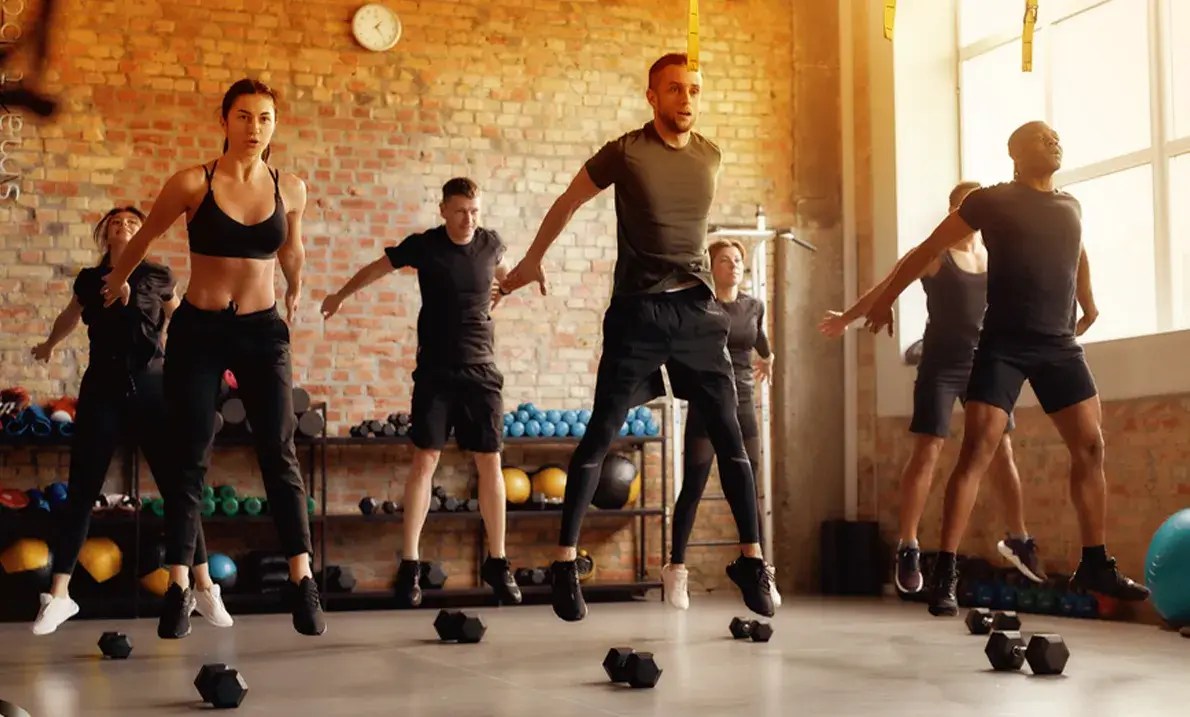
There is a growing category of traveller who, when planning a trip, does not start with restaurant reservations or tourist attractions. They start with gym access. They check class schedules, research local fitness studios, and make decisions about accommodation based partly on proximity to a facility that meets their training standards. These are fitness tourists, and Singapore is increasingly appearing on their itinerary for reasons that go well beyond its famous food and shopping.
The rise of fitness tourism is not a niche phenomenon. The Global Wellness Institute valued the wellness tourism market at over USD 800 billion before the pandemic and forecasts continued growth as health-conscious travel becomes an expectation rather than an exception for a significant segment of international travellers. Within Southeast Asia, Singapore occupies a uniquely compelling position in this space.
What Makes Singapore Attractive to Fitness Tourists
Singapore’s appeal to fitness-focused travellers begins with its infrastructure. The city-state operates some of the most well-equipped fitness facilities in the region, with international-standard equipment, certified instructors, and globally licensed fitness programmes that provide a consistent quality benchmark for visitors accustomed to high-standard training environments at home.
For travellers who follow structured fitness programmes like Les Mills formats, attending a class at a facility offering hiit classes singapore means stepping into a familiar, professionally designed training environment regardless of the fact that they are thousands of kilometres from home. This continuity of training experience is a significant factor for serious fitness enthusiasts who do not want to lose weeks of progress during travel.
The accessibility of Singapore’s transport network also plays a role. With facilities located near MRT stations and in commercial hubs across the city, fitness tourists can reach high-quality training venues from virtually any hotel or serviced apartment without needing to rent a vehicle or navigate an unfamiliar transport system. This eliminates one of the most common barriers that prevent travellers from exercising consistently away from home.
Singapore as a Regional Fitness Hub
Within the Southeast Asian region, Singapore has developed a reputation as a benchmark for fitness industry standards. Travellers from Indonesia, Malaysia, Thailand, Vietnam, and beyond visit Singapore regularly for business and leisure, and a growing subset of these regional visitors incorporate structured fitness sessions into their itineraries specifically because of the quality and variety of class options available here.
For travellers from cities where high-quality group fitness infrastructure is less developed, a trip to Singapore represents an opportunity to experience world-class programming in a clean, professional environment. This demand has not gone unnoticed by Singapore’s fitness industry, which has responded by expanding class offerings, extending operating hours, and creating visitor-friendly membership options that cater to short-stay guests.
The fitness tourism segment coming from Malaysia is particularly active, given the ease of travel between Kuala Lumpur and Singapore via air and road. Many Malaysian fitness enthusiasts plan weekend trips that combine Singapore’s food and cultural experiences with access to training programmes and facilities that are either unavailable or of lower density in their home city.
The Wellness Hotel and Active Travel Trend
Singapore’s hospitality industry has responded to the wellness travel trend with investments in hotel gym facilities that go well beyond the token treadmill and weight stack of a decade ago. Many major hotels now feature dedicated fitness studios, partnership arrangements with external fitness facilities, and in-room wellness amenities that support active travellers.
For fitness tourists, this creates a Singapore hotel market that actively supports training goals rather than working against them. Proximity to major fitness hubs is increasingly featured in hotel marketing, and some properties offer complimentary class passes or discounted access to nearby facilities as part of their guest amenity packages.
This alignment between hospitality and fitness infrastructure reinforces Singapore’s position as a destination where maintaining a training regimen during travel is not just possible but genuinely convenient.
Visiting True Fitness Singapore as Part of a Fitness Travel Plan
For travellers specifically interested in Les Mills GRIT-style HIIT training, True Fitness Singapore represents a landmark stop on a Singapore fitness itinerary. The facility offers a premium training environment with multiple locations across the city, making it accessible from different accommodation zones. Visitor and short-term membership options allow travellers to access classes without committing to long-term contracts, which is critical for the fitness tourist model.
The group class environment also provides an unexpectedly social dimension to fitness travel. Training alongside local Singaporeans in a structured class setting offers a genuine, unpretentious glimpse into local health culture, the morning routines, professional-hour lunchtime classes, and evening training sessions that Singaporeans integrate into their daily rhythms. For culturally curious travellers, this is a different kind of local experience that conventional tourism rarely provides.
Recovery and Wellness Infrastructure Around Training
Fitness tourism is not only about training hard. Recovery is an equally important part of the picture, and Singapore’s wellness landscape is exceptionally well-developed in this regard.
The city has a thriving ecosystem of complementary recovery services including sports massage studios, physiotherapy clinics, cryotherapy centres, and traditional Chinese medicine practitioners who work specifically with athletes and active populations. These services, combined with Singapore’s extraordinary food scene that supports nutrition goals through fresh, varied, and largely well-balanced hawker options, create a complete active wellness environment that goes beyond the training session itself.
For fitness tourists from tropical climates, Singapore’s outdoor recreational options, including East Coast Park cycling routes, MacRitchie Reservoir trail runs, and Southern Ridges hiking paths, complement indoor HIIT training beautifully. The combination of structured indoor classes with Singapore’s accessible outdoor fitness infrastructure creates a genuinely comprehensive active travel experience.
The Business Travel and Fitness Integration
A significant subset of Singapore’s fitness tourists are business travellers who maintain serious training commitments regardless of their work schedule. Singapore’s position as a global business hub means it receives high volumes of international corporate visitors, many of whom prioritise access to quality fitness facilities when choosing accommodation and planning their schedules.
For this group, the ability to attend a 30-minute structured HIIT class near their hotel or meeting venue before the business day begins, or during a lunch break, is not a luxury but a routine health maintenance strategy. Facilities that offer early morning and lunchtime class schedules cater directly to this market and provide a meaningful quality-of-stay differentiator for business travellers choosing where to stay and which fitness facilities to access.
Planning a Fitness-Integrated Singapore Trip
For those considering integrating structured training into a Singapore trip, a few practical considerations help ensure the experience is seamless.
- Book class spots in advance, particularly for popular timeslots during morning and lunchtime hours, as HIIT classes at reputable facilities fill quickly.
- Check visitor membership or casual class options before arrival to understand pricing and what is required to access the facility as a non-member.
- Plan your accommodation with travel time to the training facility in mind. Most Singapore fitness venues are within 20 to 30 minutes of major hotel districts via MRT.
- Pack appropriate training kit. Singapore’s air-conditioned gym environments are comfortable, but breathable, moisture-wicking fabrics still perform better during high-intensity intervals than cotton-based workout wear.
- Allow time for post-class recovery and nutrition before moving on to meetings or tourist activities. The 30 to 60 minute window after an intense HIIT session is best spent with a proper meal and adequate hydration rather than rushing to the next item on the agenda.
FAQ
Q. Do Singapore fitness facilities offer day passes or short-term options suitable for tourists? A. Many established fitness facilities in Singapore offer guest pass arrangements, trial packages, or short-term membership options that cater to visitors. It is best to contact the specific facility in advance to confirm availability and pricing for non-member access, as arrangements vary and some require advance booking.
Q. Is there a best time of year to visit Singapore for fitness tourism? A. Singapore’s equatorial climate means it is hot and humid year-round, which makes the availability of high-quality air-conditioned indoor fitness facilities a constant appeal rather than a seasonal one. From a fitness tourism standpoint, there is no bad time to visit. If outdoor exercise is also part of the plan, the drier months from February to April and from July to September offer slightly less rain, though showers can occur at any time of year.
Q. Can I maintain my current Les Mills programme while visiting Singapore? A. Yes. Les Mills programmes are globally standardised, meaning the class format, music, and movement structure you follow at home will be recognisably consistent with what is offered at Les Mills-licensed facilities in Singapore. This is one of the programme’s significant advantages for travelling fitness enthusiasts.
Q. Are HIIT class schedules in Singapore suitable for business travellers on tight schedules? A. Singapore fitness facilities typically offer early morning classes starting from 6am or 6:30am and lunchtime classes during the midday window, catering specifically to working professionals and business travellers. Some facilities also offer express 30-minute format classes that compress a full training session into a tighter time window.
Q. What should I know about gym etiquette at Singapore fitness facilities? A. Singapore fitness culture is generally respectful and professional. Punctuality is expected, and late entry to group classes after they have begun is often not permitted to avoid disrupting other participants. Bringing a towel and wiping down equipment after use is standard practice. Appropriate workout attire is expected, and most facilities require clean, closed-toe training shoes on the gym floor.

