
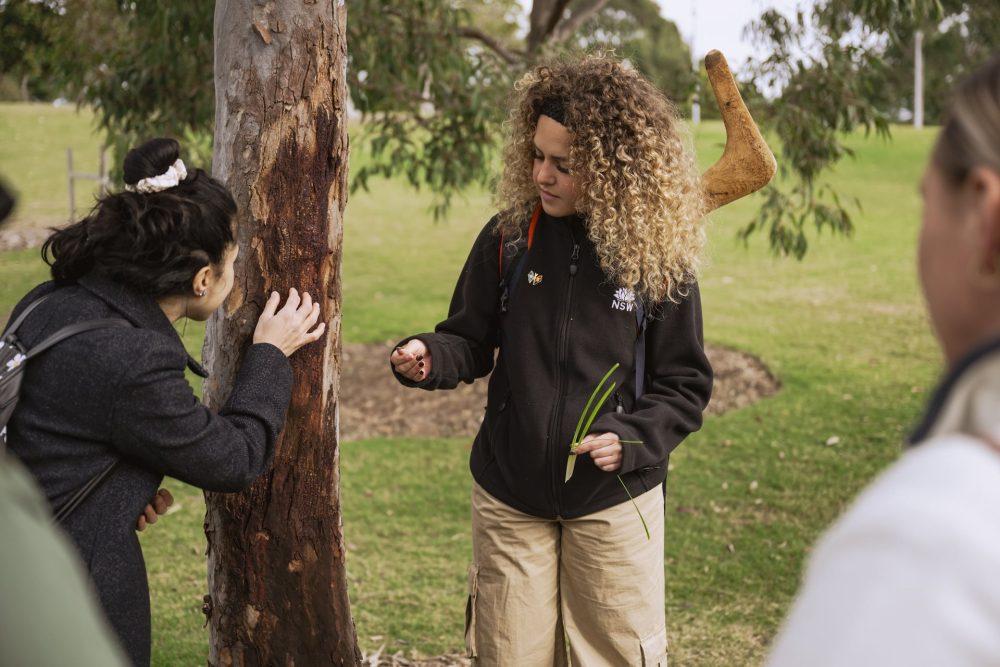
Introduction: Beyond the Postcard
Travel today has evolved beyond sightseeing and souvenir hunting. For the discerning traveler, culture tours present a meaningful way to engage with the world, offering more than mere entertainment—they provide an education, a conversation, and sometimes, a revelation. Culture tours delve into the heart of a destination, unraveling its identity through art, architecture, language, rituals, cuisine, and the lived experiences of its people.
What Are Culture Tours?
Culture tours are immersive travel experiences designed to explore and celebrate the heritage, traditions, and creative expressions of a particular region or community. Unlike generic package holidays or cursory sightseeing trips, these tours focus on:
-
Historical landmarks and archaeological sites
-
Traditional music, dance, and performance arts
-
Local festivals and religious ceremonies
-
Culinary customs and regional gastronomy
-
Craftsmanship and folk art
-
Languages and oral histories
Whether it’s wandering through the ruins of Angkor Wat, attending a flamenco workshop in Seville, or participating in a tea ceremony in Kyoto, culture tours connect travelers with the essence of a place.
Why Culture Tours Matter
In a rapidly globalizing world, cultural uniqueness is both precious and increasingly vulnerable. Culture tours play a vital role in preserving and celebrating these identities, and they offer rich benefits for both travelers and host communities.
For the Traveler
-
Personal Enrichment: Exposure to unfamiliar customs and philosophies often challenges preconceived notions, broadening one’s worldview.
-
Authentic Connections: Engaging with locals fosters a deeper sense of empathy and appreciation for cultural differences.
-
Lifelong Learning: Many culture tours are guided by historians, anthropologists, or artisans, making each experience intellectually rewarding.
For Local Communities
-
Economic Empowerment: Responsible cultural tourism generates income for artists, guides, and small businesses.
-
Cultural Preservation: By showcasing local heritage, these tours incentivize younger generations to uphold traditional practices.
-
Mutual Respect: They cultivate cross-cultural understanding, reducing stereotypes and fostering global harmony.
Signature Destinations for Cultural Exploration
Some places seem almost tailor-made for cultural immersion, where every street corner tells a story and every meal feels like a historical artifact.
1. Italy: The Cradle of Renaissance
From the frescoes of Florence to the opera houses of Milan, Italy is a symphony of art, architecture, and culinary genius. Culture tours here often include:
-
Guided museum visits in Rome and Florence
-
Pasta- and cheese-making classes in Bologna
-
Live opera in Verona’s ancient amphitheater
2. India: A Tapestry of Traditions
India’s astonishing cultural diversity offers a kaleidoscope of experiences. Cultural tours may cover:
-
Temple architecture and rituals in Tamil Nadu
-
Folk music and puppet shows in Rajasthan
-
Ayurveda and yoga retreats in Kerala
-
Textile workshops in Gujarat
3. Peru: Mysticism of the Andes
For those intrigued by ancient civilizations, Peru offers rich encounters with Incan culture.
-
Trekking to Machu Picchu with indigenous guides
-
Visiting the floating Uros islands of Lake Titicaca
-
Sampling traditional Andean cuisine like quinoa stew and roasted cuy
Elements of a Truly Authentic Culture Tour
Not all tours labeled as “cultural” are created equal. A truly enriching cultural journey goes beyond performances staged for tourists. Key elements to look for include:
1. Community Involvement
Tours should be designed in collaboration with local communities, ensuring that their voices are centered and respected.
2. Depth Over Breadth
Instead of cramming multiple destinations into a short time, the best tours allow for deep engagement with fewer locations.
3. Hands-On Learning
Workshops and participatory experiences—such as traditional cooking, weaving, or storytelling—create lasting memories and deeper appreciation.
4. Ethical and Sustainable Practices
Look for operators who prioritize cultural sensitivity, fair wages, and eco-friendly practices. Avoid tours that exploit or commodify sacred customs.
The Rise of Themed Culture Tours
To cater to specific interests, many tour operators now offer themed cultural experiences. Some popular themes include:
-
Literary Tours: Explore the haunts of famous writers or settings of iconic novels (e.g., Jane Austen in Bath, Gabriel García Márquez in Cartagena).
-
Religious Pilgrimages: Follow spiritual paths such as the Camino de Santiago or the Buddhist trail in India and Nepal.
-
Music and Dance Journeys: Learn tango in Buenos Aires or attend tribal drum festivals in West Africa.
-
Culinary Expeditions: Discover the terroirs of France, the spice trails of Morocco, or the street food labyrinths of Bangkok.
Digital Culture Tours: A New Frontier
While in-person experiences remain unparalleled, the rise of virtual culture tours has opened doors for those unable to travel physically. Museums, heritage sites, and local artists now offer live-streamed tours, interactive lectures, and VR experiences that bring global culture to one’s living room. Though these can never fully replicate the multisensory nature of travel, they play an important role in education and accessibility.
Final Reflections: Travel as Cultural Dialogue
Culture tours are more than a trend—they are a philosophy of travel rooted in curiosity, humility, and respect. In a world where differences often divide, such journeys remind us of our shared humanity. They celebrate the mosaic of life, offering not just escape, but connection. By engaging sincerely with other ways of being, we not only see the world—we begin to understand it.

